Why Does My Check Engine Light Keep Coming On?
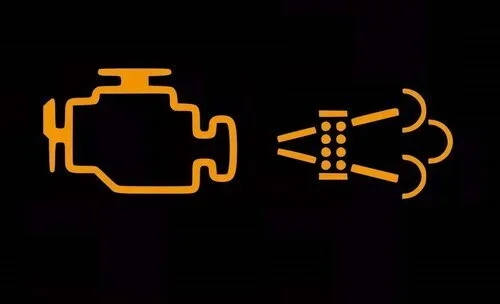
Few warning lights worry drivers more than the check engine light. Sometimes it appears suddenly, disappears again, then returns days or weeks later. While some issues may be minor, repeated check engine light faults can also indicate serious problems developing within the engine, transmission, emissions system or electrical system.
At Guardian Auto Technic, we regularly diagnose recurring check engine light problems across Gympie and the Sunshine Coast, especially in modern vehicles with increasingly complex electronic systems.
What Does The Check Engine Light Mean?
The check engine light is part of your vehicle’s onboard diagnostics system. Modern vehicles constantly monitor engine performance, emissions systems, fuel delivery, sensors and electrical components.
When the vehicle detects a fault outside normal operating parameters, it stores a fault code and illuminates the warning light.
The issue may be:
temporary
intermittent
electrical
mechanical
emissions related
Some faults are minor, while others can lead to major engine or transmission damage if ignored.
Why Does The Light Keep Coming Back?
A recurring check engine light usually means:
the underlying problem has not been fully repaired.
In many cases:
the fault was temporarily cleared
symptoms improved briefly
or the issue is intermittent and difficult to detect
Modern vehicles often require detailed diagnostic testing to identify the true cause.
Common Causes Of Recurring Check Engine Lights
Faulty Sensors
Modern engines rely on numerous sensors to monitor:
air flow
fuel mixture
exhaust gases
temperature
boost pressure
Failing sensors can cause intermittent warning lights and drivability problems.
Battery Or Charging System Issues
Low system voltage can create multiple electronic faults and trigger warning lights throughout the vehicle.
Weak batteries, failing alternators or poor electrical connections are common causes.
DPF Or Emissions Problems
Diesel vehicles commonly trigger engine lights due to:
DPF issues
regeneration faults
EGR problems
sensor failures
These faults often return if the root cause is not properly diagnosed.
Ignition Or Fuel System Problems
Misfires caused by:
faulty ignition coils
injectors
spark plugs
fuel pressure problems
can repeatedly trigger the check engine light.
Turbocharger Or Boost Leaks
Turbo diesel vehicles frequently develop:
split intercooler hoses
boost leaks
turbo actuator faults
which can cause loss of power and recurring warning lights.
Transmission Faults
Some transmission problems can also trigger engine warning lights, particularly in vehicles with electronically controlled transmissions.
Intermittent Electrical Faults
Loose connections, damaged wiring or CANBUS communication issues can create difficult-to-diagnose intermittent faults.
These are becoming increasingly common in modern vehicles.
Flashing Engine Light vs Solid Engine Light
Solid Check Engine Light
Usually indicates:
a stored fault requiring diagnosis
emissions issues
sensor problems
drivability concerns
The vehicle may still drive normally.
Flashing Check Engine Light
A flashing warning light is more serious and often indicates:
severe engine misfire
potential catalytic converter damage
major running problems
Driving should be minimized until the fault is diagnosed.
Why Simply Clearing Fault Codes Often Doesn’t Work
Many vehicles will temporarily turn the warning light off after:
clearing codes
disconnecting the battery
temporary operating changes
However, if the underlying issue remains, the light will usually return once the fault is detected again.
Proper diagnostics are essential to avoid replacing unnecessary parts or masking larger issues.
Why Modern Vehicle Diagnostics Are More Complex
Today’s vehicles use interconnected electronic systems that communicate constantly through onboard control modules.
A single fault can sometimes trigger:
multiple warning lights
drivability issues
limp mode activation
transmission problems
Accurate diagnosis often requires:
professional scan tools
live data analysis
electrical testing
real-world diagnostic experience
not just reading fault codes alone.
Common Vehicles We Diagnose
We regularly diagnose check engine light issues on:
Toyota Hilux
Ford Ranger
Isuzu D-Max
Mitsubishi Triton
Nissan Navara
Toyota Prado
Mazda BT-50
Volkswagen Amarok
including both petrol and diesel vehicles.
Mobile Engine Diagnostics in Gympie
At Guardian Auto Technic, we provide mobile diagnostic and fault-finding services across:
Gympie
Tin Can Bay
Rainbow Beach
Cooloola Cove
Noosa
Sunshine Coast regions
We diagnose:
check engine lights
diesel faults
DPF issues
transmission warnings
electrical faults
sensor failures
drivability concerns
using professional diagnostic equipment and hands-on industry experience.
Don’t Ignore Warning Lights
Even if the vehicle still seems to drive normally, recurring warning lights can indicate developing issues that may become far more expensive if left unresolved.
Early diagnosis often prevents:
major breakdowns
expensive component damage
ongoing drivability issues
Need Help Diagnosing A Check Engine Light?
If your check engine light keeps returning, professional diagnostic testing can help identify the real cause before bigger problems develop.
Contact Guardian Auto Technic for mobile engine diagnostics and fault finding across Gympie and surrounding areas.