Why Do Modern Diesel Vehicles Have DPF Problems?
Modern diesel vehicles are cleaner and more efficient than ever before, but they also rely on complex emissions systems that can create expensive problems if not properly maintained. One of the most common issues we see at Guardian Auto Technic is Diesel Particulate Filter (DPF) related faults, especially in vehicles used for short trips, towing, or stop-start driving.
Understanding how a DPF works — and why problems occur — can help prevent breakdowns, limp mode conditions, and costly repairs.
What Is A DPF?
A Diesel Particulate Filter (DPF) is part of the vehicle’s exhaust emissions system. Its job is to capture and store soot particles produced during diesel combustion before they exit the exhaust.
Over time, the DPF fills with soot and must clean itself through a process called:
regeneration
During regeneration, the vehicle raises exhaust temperatures high enough to burn off the trapped soot.
Why DPF Problems Are So Common
Modern diesel engines are highly sensitive to driving conditions. Many vehicles are now used for:
short trips
stop-start driving
low-speed commuting
light-load driving
These conditions often prevent the DPF from reaching temperatures needed for proper regeneration.
This causes soot buildup inside the filter.
Common Signs Of DPF Problems
Typical symptoms of DPF issues include:
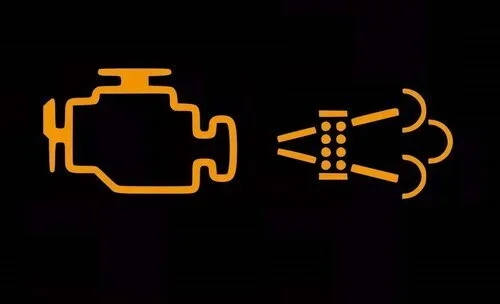
DPF warning light
check engine light
excessive fuel consumption
reduced engine power
limp mode activation
cooling fans running excessively
frequent regenerations
strong exhaust smell
hard acceleration issues
Ignoring these symptoms can eventually lead to blocked filters and expensive repairs.
What Causes DPF Blockages?
Several issues can contribute to DPF faults.
Short Trip Driving
One of the biggest causes. The vehicle never gets hot enough to complete regeneration properly.
Faulty Sensors
Modern diesel vehicles rely on multiple sensors including:
exhaust temperature sensors
pressure sensors
oxygen sensors
If these fail, the vehicle may not regenerate correctly.
Injector Problems
Poor injector performance can increase soot production and overload the DPF system.
EGR System Faults
Exhaust Gas Recirculation (EGR) problems can affect combustion efficiency and increase carbon buildup.
Turbocharger Issues
Boost leaks or turbo faults can create excessive soot and trigger DPF warnings.
Frequent Towing Without Proper Maintenance
Heavy towing increases exhaust temperatures and engine load. If maintenance is neglected, soot accumulation can worsen rapidly.
Why Limp Mode Happens
When soot levels become excessive, the engine control module may place the vehicle into:
limp mode
This is designed to protect:
the DPF
turbocharger
engine
emissions system
Limp mode usually reduces:
engine power
acceleration
RPM limits
to prevent further damage.
Can A DPF Be Cleaned?
In many cases, yes.
Depending on the severity of the blockage, solutions may include:
forced regeneration
diagnostic repairs
sensor replacement
injector testing
DPF cleaning procedures
addressing underlying engine faults
However, severely damaged or cracked DPF units may require replacement.
Why Proper Diagnosis Matters
Many DPF faults are actually caused by underlying issues elsewhere in the vehicle.
Replacing the DPF alone without diagnosing the root cause can result in:
repeated blockages
recurring warning lights
ongoing limp mode issues
Proper diagnostic testing is essential to identify the real fault.
Vehicles Commonly Affected
We regularly see DPF-related issues in:
Toyota Hilux
Ford Ranger
Isuzu D-Max
Mitsubishi Triton
Nissan Navara
Toyota Prado
Mazda BT-50
Volkswagen Amarok
particularly vehicles used for:
towing
trade work
short-distance driving
off-road conditions
How To Help Prevent DPF Problems
To reduce the risk of DPF issues:
allow the vehicle to complete regeneration cycles
avoid constantly interrupting regenerations
service the engine regularly
repair warning lights early
use correct engine oil specifications
address injector or turbo faults promptly
Vehicles that regularly tow or travel long distances often experience fewer DPF issues because exhaust temperatures stay higher for longer.
Mobile Diesel Diagnostics in Gympie
At Guardian Auto Technic, we provide mobile diesel diagnostics and fault finding across:
Gympie
Tin Can Bay
Rainbow Beach
Cooloola Cove
Noosa
Sunshine Coast regions
We diagnose:
DPF faults
limp mode issues
sensor failures
regeneration problems
diesel performance issues
turbo and injector faults
using professional diagnostic equipment and real-world diesel experience.
Need Help Diagnosing A DPF Problem?
If your diesel vehicle is showing warning lights, losing power or entering limp mode, early diagnosis can help prevent major repair costs.
Contact Guardian Auto Technic for professional mobile diesel diagnostics and DPF fault diagnosis.